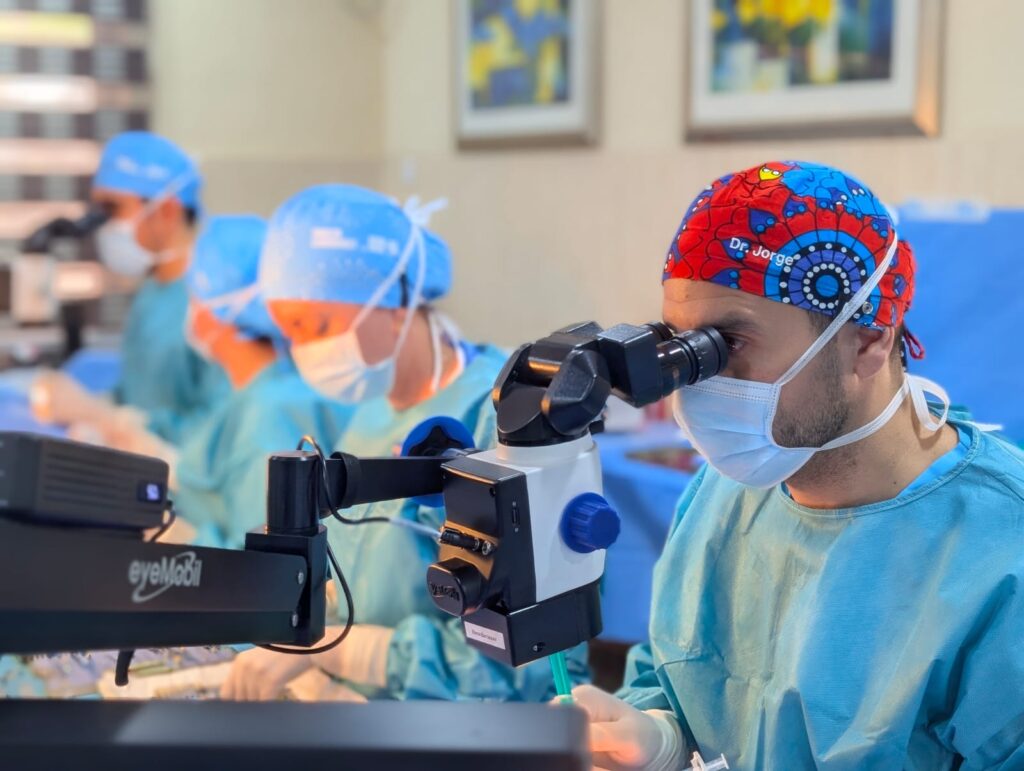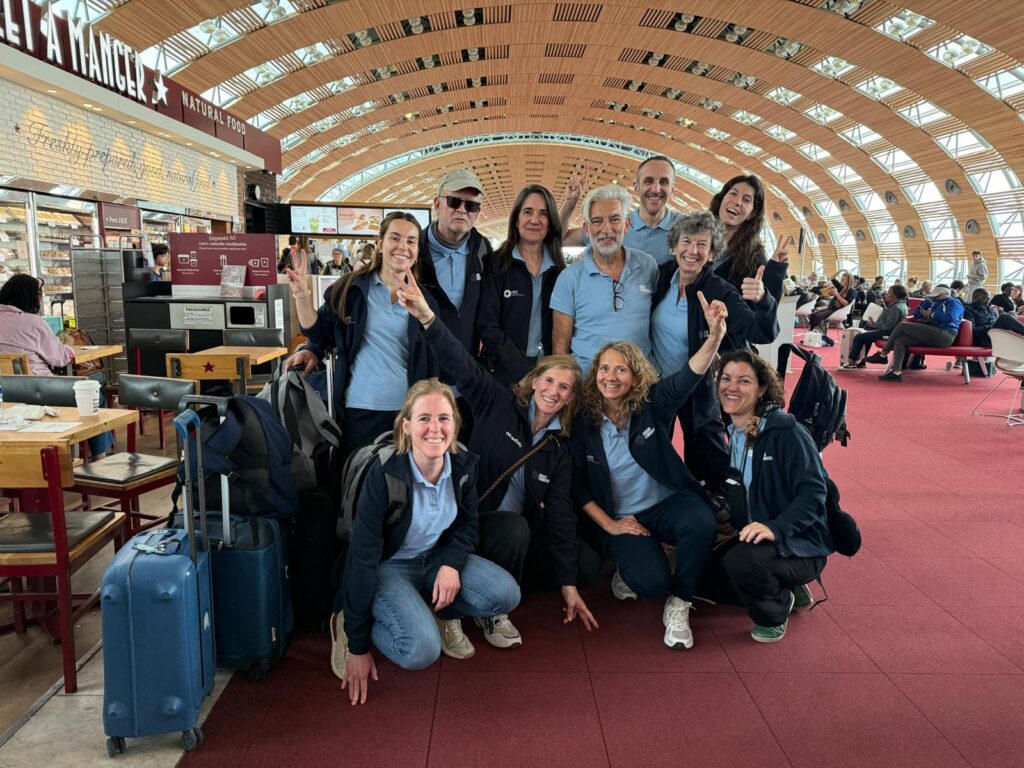
It was undoubtedly one of the most difficult expeditions we have had to face. And not so much because of the physical effort or the technical conditions, but because of the deep frustration of not being able to do what a team of nine volunteers and a coordinator had travelled for with all the enthusiasm in the world.
I must admit that, throughout the year, I have to participate in more expeditions than I would sometimes like to. But I understand that for most of our volunteers it is a unique experience. And that’s what drives us. It is what drives the whole team of the Elena Barraquer Foundation to devote their energy to a common goal: to operate on as many people as possible to, as our president says, give them their lives back.
But this time, in Burundi, nothing went as we expected.
Everything went wrong from the very first moment. Entering the country through immigration was absolute chaos: almost two hours of ‘no queues’, where you had to fight to get someone to pick up your passport, which was then passed from hand to hand until it finally reached the person issuing the visa. An exhausting and completely inefficient system.
Then, at customs, they made us open each of our suitcases, and found (hopefully or intentionally) an expired eye drop from the previous month. Something that, while regrettable, can happen when you prepare an expedition so far in advance. Human error. But it was enough to hold the material for three days, on the premise that we were importing large quantities of medicines. It was clear that someone wanted to take advantage.
That was the beginning of our real test: managing frustration.
Our local partners were unable or unwilling to provide us with a solution. To make matters worse, Monday was a public holiday, which made any further management impossible.
It was days of coming and going to the airport, of showing tickets to officials, of ‘negotiating’ with policemen known to the hotel staff, until we finally got our luggage back and arrived at our final destination. There, no one was waiting for us. The operating theatre was dirty, without air conditioning, and without the minimum conditions for surgery. With cloth in hand, the whole team set about cleaning it to leave it, at least, in an acceptable state.
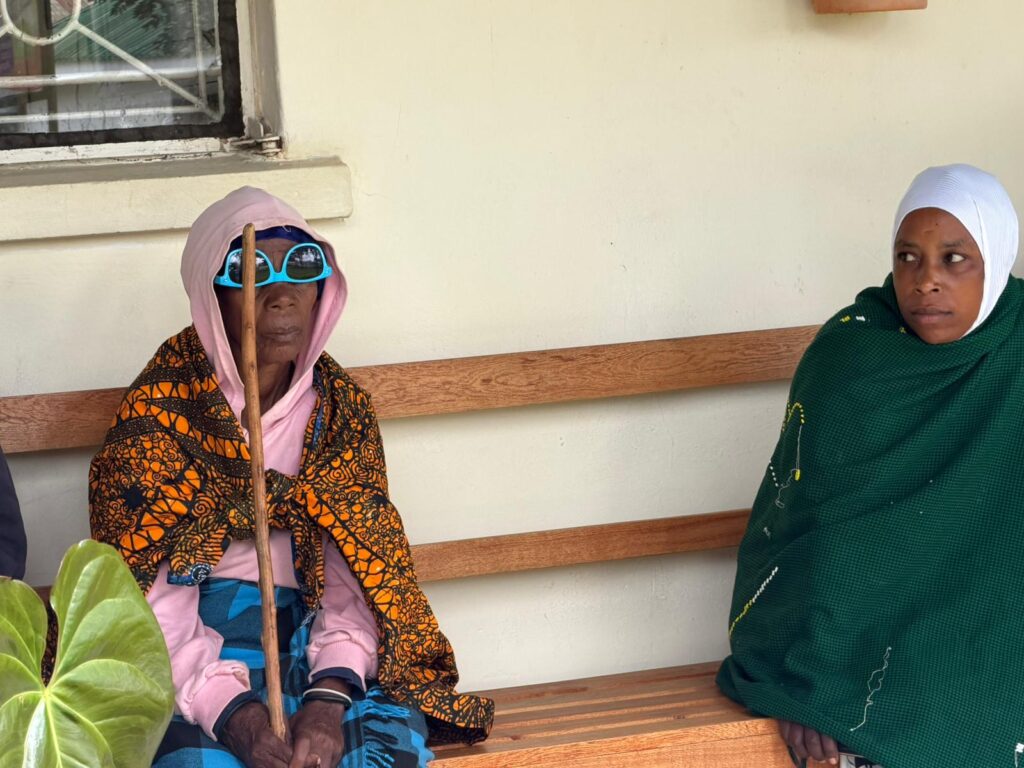
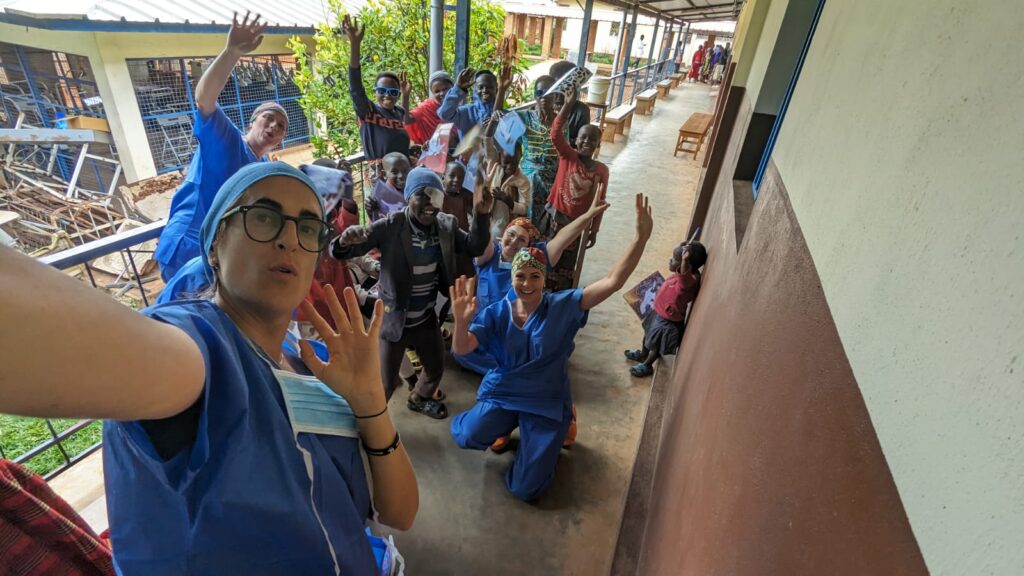
The next day, at last, the patients arrived. Seeing them gave us back our motivation: our reason for being there. We set to work with all our energy. But the joy was short-lived: only 53 patients arrived. They were the only ones.
Still, I’ll keep the best thing: the team of volunteers. On this occasion, they were truly extraordinary. No one threw in the towel. Everyone kept their commitment: even if we could only operate on one person, we would do it. The important thing was to leave with a sense of accomplishment.
We feel very sorry for them. And as I expressed on my return to the team of the Kiriku Foundation, our local partner in the country:
“Cooperation projects cannot be sustained on goodwill alone.
They must be built on professionalism, ethics and rigorous planning”.
It is clear that our size and level of professionalism surpassed our local partners. I do not say this as a criticism, but as a real observation: good intentions are not enough to carry out a mission of this magnitude. You need structure, experience and responsibility.
And I believe that this is one of the great strengths of the Elena Barraquer Foundation: not only do we have a highly professional technical team in Barcelona, but also a network of committed, generous and capable volunteers who understand that excellence is not an option, but an ethical obligation.
Because what we do is not just about restoring sight.
It is to restore life.
Teté Ferreiro
Executive Director