There is a side to an expedition that is rarely seen.
It does not feature in photographs of the operating theatre or in patients’ stories. It takes place long before our team boards a plane.
A surgical expedition requires months of work and coordination. It requires people on the ground who know the communities, who locate patients, carry out screening campaigns, identify those in need of surgery, and ensure that these people can get to the site and are ready when our team arrives.
That work is essential.
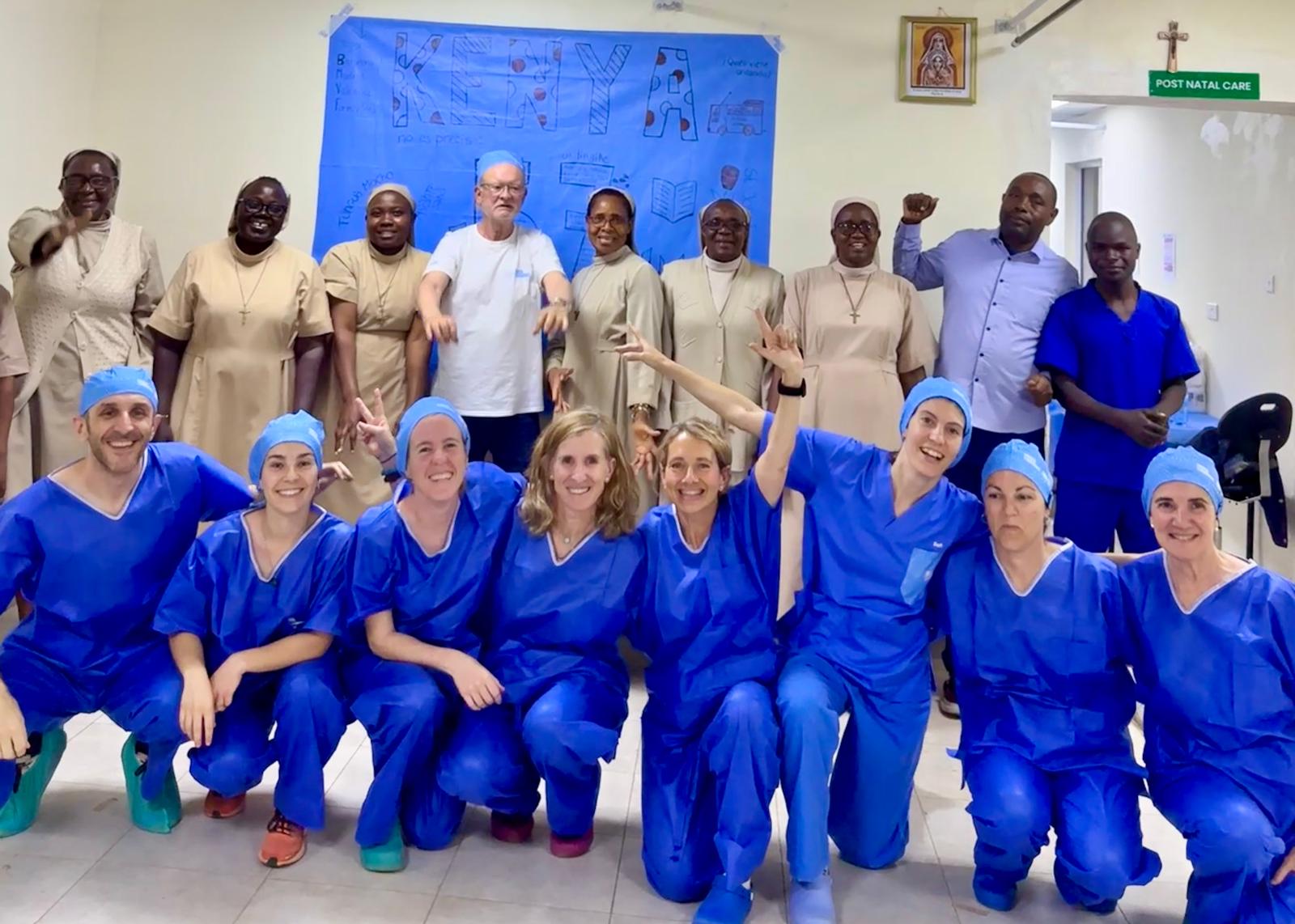
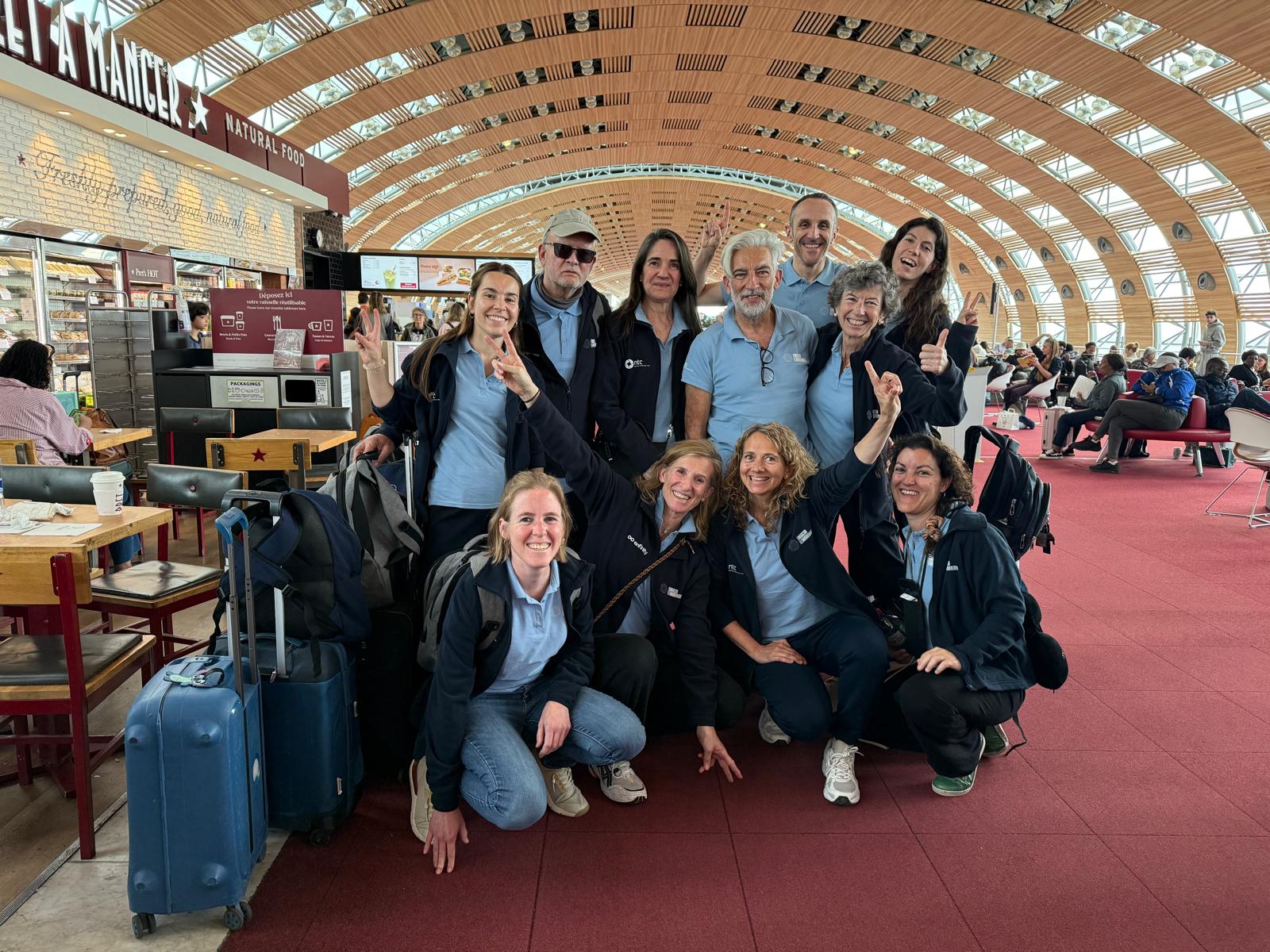
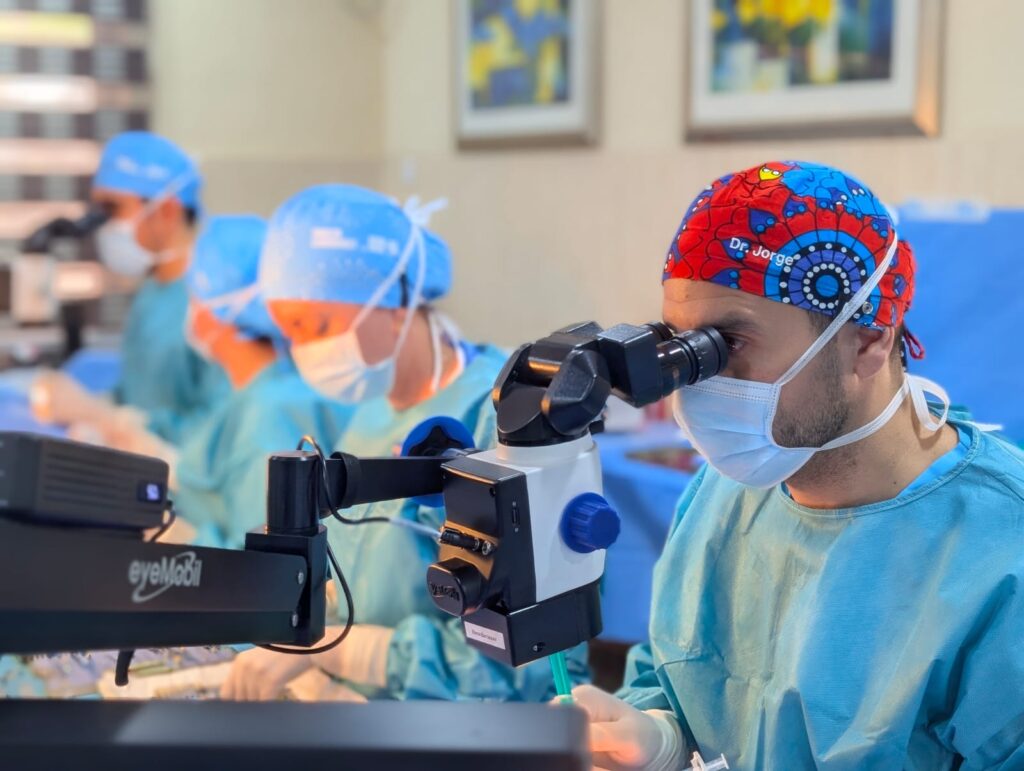
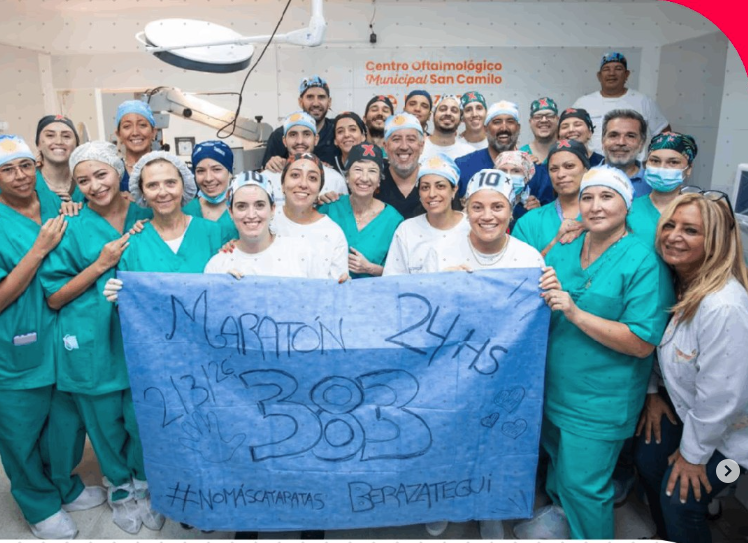
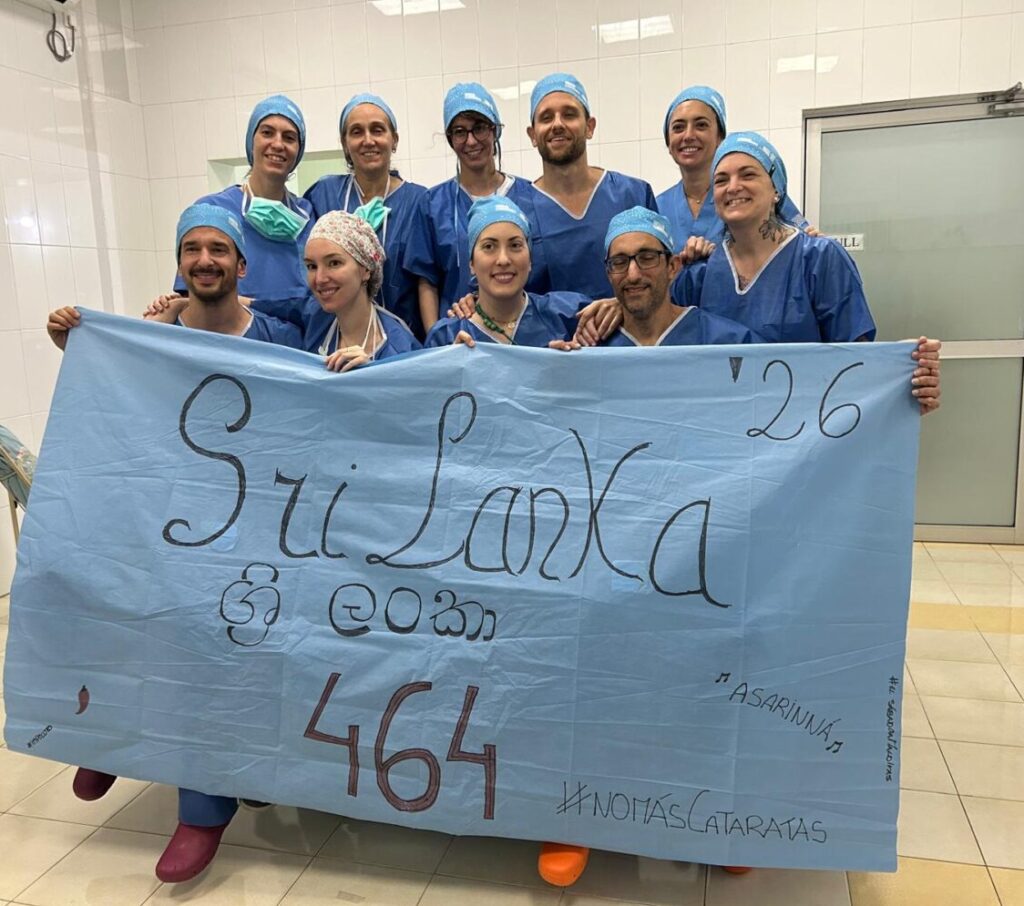
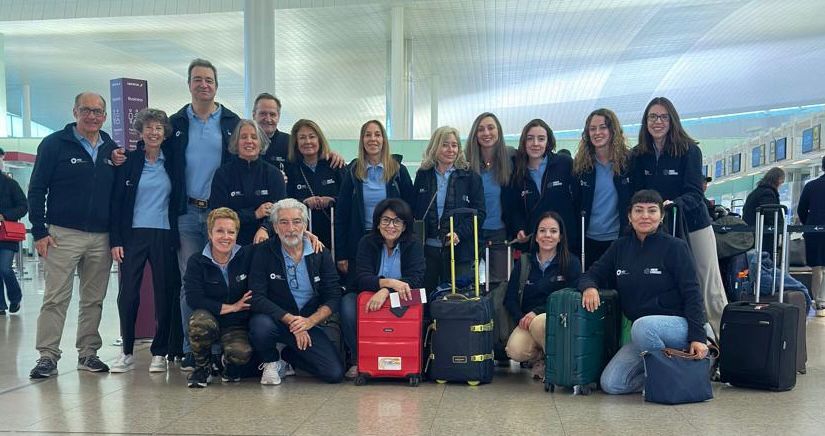
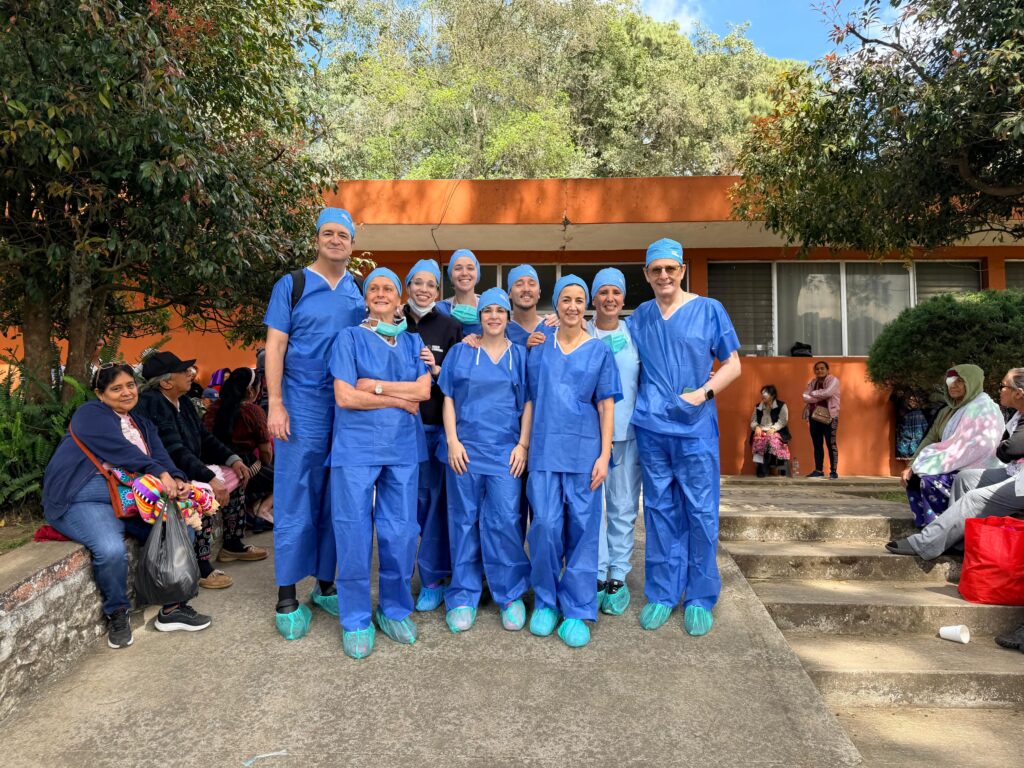
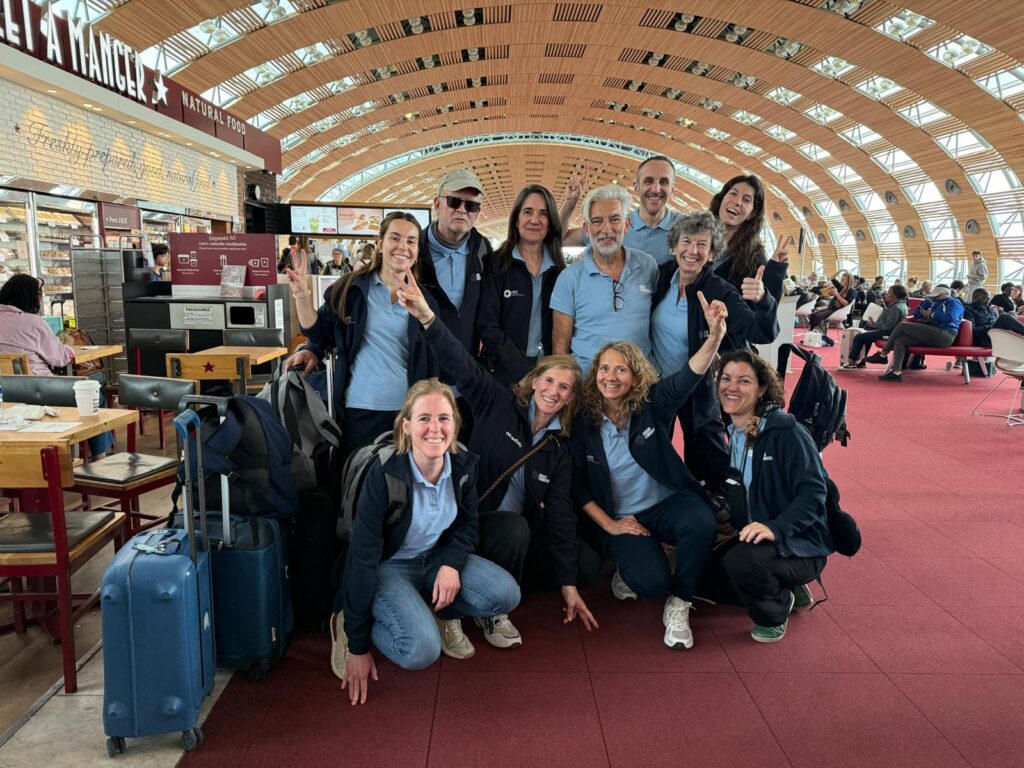
On our expedition to Kenya, we mobilised a team of more than ten people: surgeons, anaesthetists, nurses, ophthalmologists, optometrists, Foundation staff and other volunteers. People who set aside their jobs, families and daily routines for a few days to travel thousands of kilometres and operate on people who need to regain their sight.
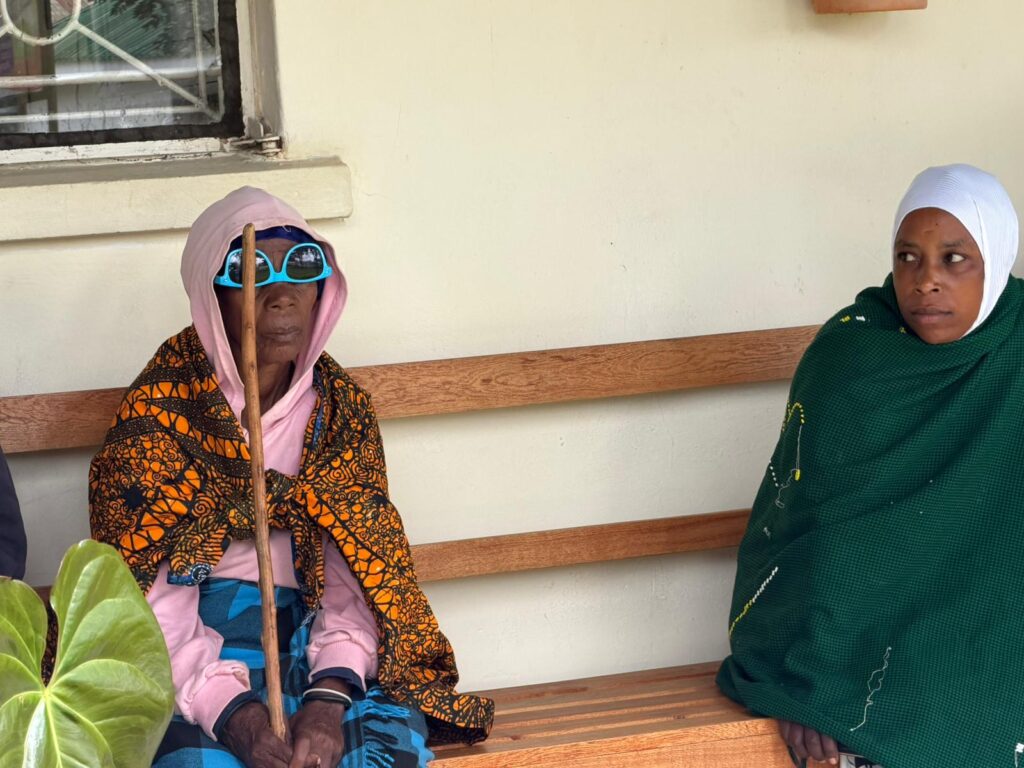
However, this time we faced a difficult situation: many of the patients we were expecting did not turn up.
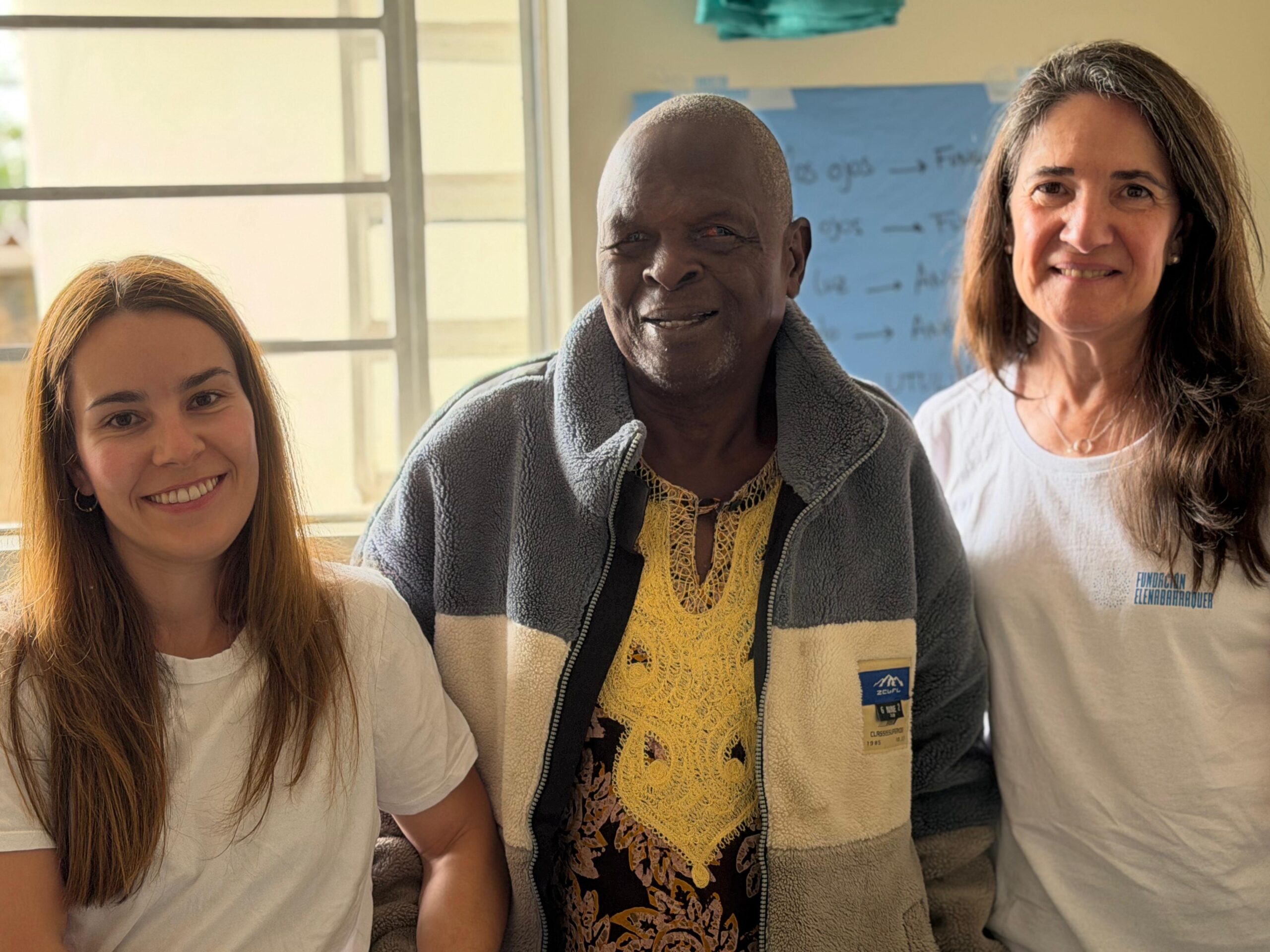
We cannot say it was a failure. Fifty-seven people underwent surgery and regained their sight, and behind those 57 operations lie 57 lives that have been transformed.
But neither do we wish to hide the fact that we feel sadness and frustration.
Because we know just what a team like ours can achieve when it arrives at a location where patients are ready to be treated. And because every expedition involves an enormous human, logistical and financial effort.
This experience reminds us of something important: our work does not begin when we arrive in the destination country.
It begins long before that, thanks to the people and organisations who are there working every day.
The pre-selection of patients, coordination with local communities, confirmation of appointments and support right up to the moment of surgery are essential elements in ensuring that the full potential of an expedition’s efforts is realised.
That is why, rather than pointing fingers, this experience encourages us to keep improving together. To strengthen coordination with our local teams and ensure that, when our volunteers arrive, everything is in place to treat as many people as possible.
Because every patient counts.
And because behind every trip there are many people working to ensure that one person can see again.
57 people achieved this in Kenya. And we are continuing to work to ensure there are many more.